Proprietary material technologies
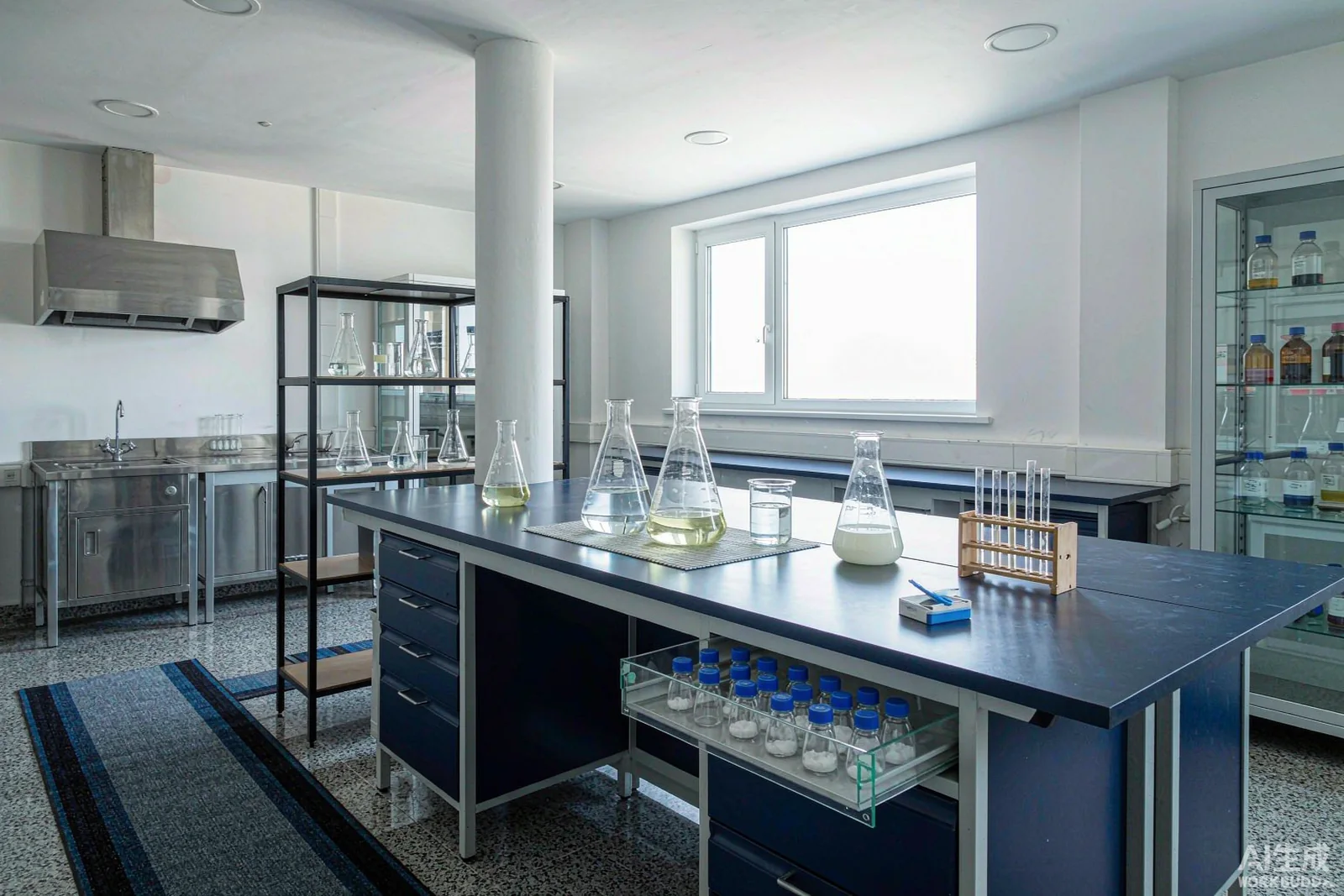
Three self-developed platforms for glass screen-printing ink — validated in our GMP & CNAS lab.
New Organosilicon-Modified Epoxy Resin Technology
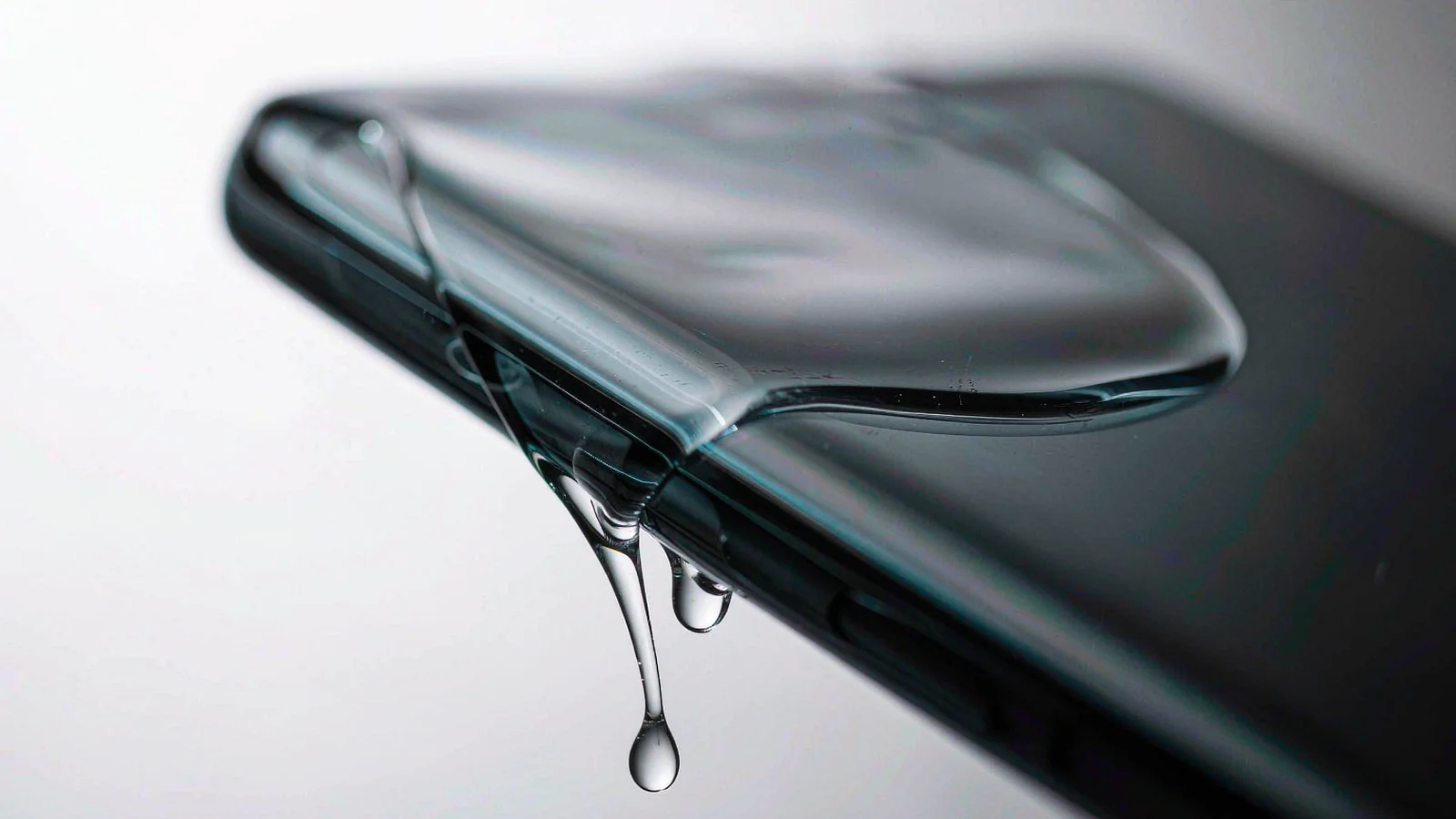
An inter-crosslinked epoxy-silicone architecture that keeps epoxy’s corrosion resistance and adhesion while fixing its weak UV and weathering — a resin built for the glass screen-printing ink system.
The proprietary inter-crosslinked epoxy-silicone resin (Patent ZL 2012 1 0443429.9) couples the chemical resistance and substrate adhesion of epoxy with the low viscosity and QUV anti-aging of silicone in a single molecule, not as a simple physical blend.
Conventional bisphenol-A epoxy gives strong adhesion and corrosion resistance but ages through its C–O–C bonds, with weak weathering and QUV. Standard silicone resin weathers well but has low viscosity, poor glass adhesion and weak corrosion resistance. Yingcai’s inter-crosslinked resin takes the best of both. It is customised for cover-glass screen-printing inks and widely used on mobile cover glass and automotive display panels.
-
Excellent Anti-Corrosion Performance
Resists erosion from various chemical cleaners, artificial sweat and alkaline ultrasonic cleaning solutions. The coating film is less prone to blistering, peeling, corrosion and tarnishing during long-term service.
-
Strong Adhesion
Stably achieves Grade 1 in cross-hatch test. After prolonged ultrasonic alkaline cleaning, high-temperature boiling and alcohol wipe aging, no coating peeling or delamination occurs. No layer separation even with multi-layer overprinting.
-
Chemical Resistance
Withstands repeated wiping with 95% ethanol and acetone. Resists long-term contact with 45°C alkaline ultrasonic cleaning solutions, artificial sweat, workshop detergents and acid & alkaline media.
-
Weather Resistance
Effectively blocks ultraviolet rays and greatly inhibits yellowing, loss of gloss and chalking of coatings. After long-term QUV-A accelerated UV aging test, the color difference change is minimal and the coating appearance remains stable.
-
Lower Viscosity
Low-viscosity property eliminates the need for large amounts of diluents to adjust application viscosity. It increases ink solid content and reduces VOC emissions.
-
Outstanding QUV Resistance
Features an excellent UV-resistant molecular structure. After 24h & 96h QUV-A UV accelerated aging, the coating shows negligible color shift, with no obvious yellowing, gloss loss or chalking.
Silane-Modified Amine Epoxy Curing Agent Technology
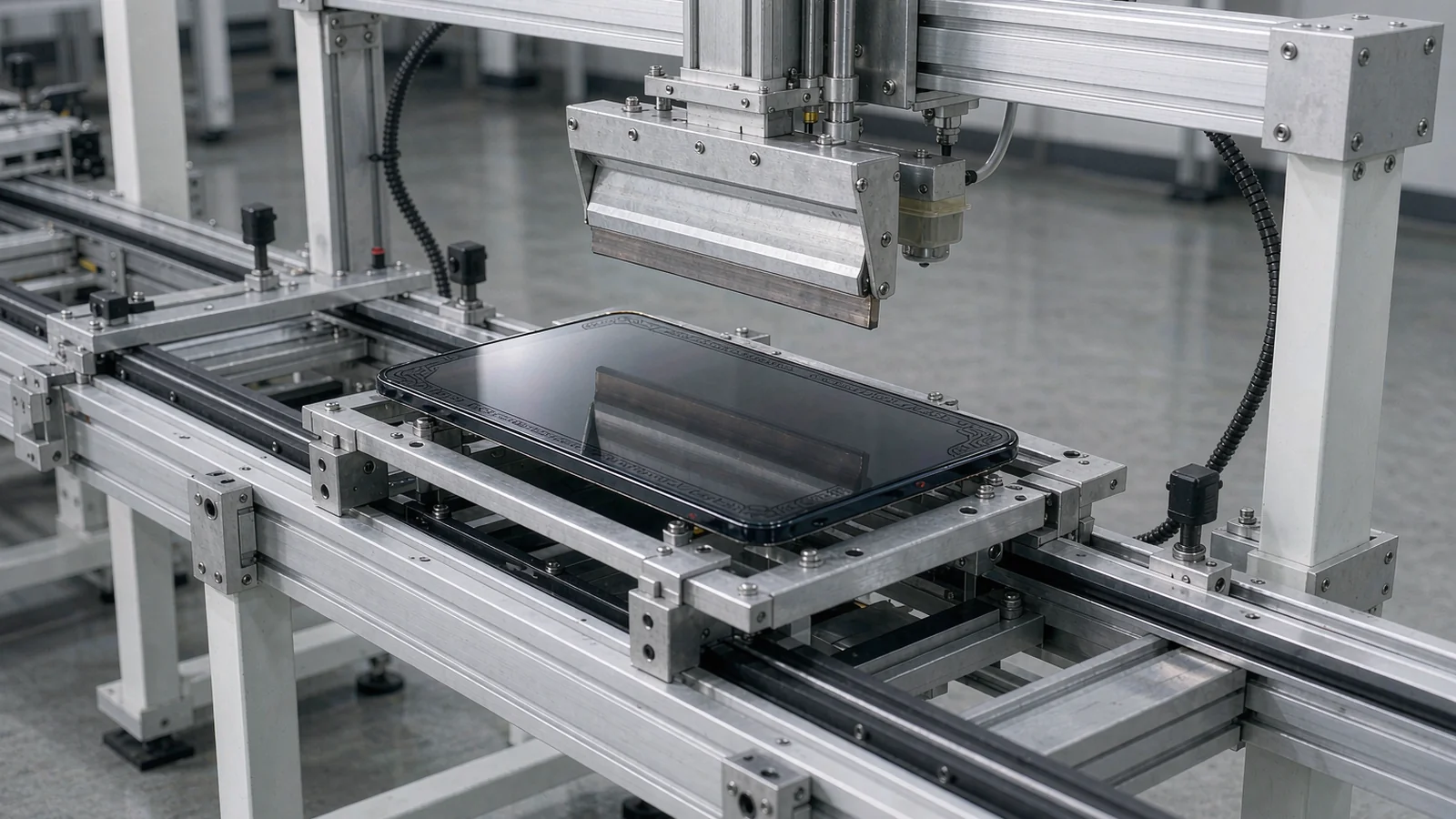
Silane groups are grafted onto the amine chain during monomer synthesis rather than blended afterwards, so adhesion to glass is built into the molecule itself.
This exclusive synthesis breaks the conventional approach that mixes a modified amine hardener and a silane coupling agent on-site. By grafting silane onto the amine chain at the monomer stage, we integrate the strengths of both raw materials while removing their individual weaknesses. It is the only epoxy hardener worldwide developed specifically for the glass screen-printing ink industry.
Compatible substrates include phone cover glass, LCD display panels, colour-crystal glass and all types of screen-printed glass panels. Backed by our GMP & CNAS-accredited laboratory, we support one-stop raw-material R&D and formulation services.
-
High Temperature Resistance
Withstands intense thermal shock. Resists softening, sagging, gloss loss and discoloration under high temperatures. No obvious yellowing after high-temperature baking and prolonged thermal aging.
-
Strong Adhesion
Consistently achieves Grade 1 in cross-hatch test. No peeling or delamination after long-term ultrasonic alkaline cleaning, high-temperature boiling and alcohol wipe aging. Delamination does not occur even for multi-layer overprinting.
-
Chemical Resistance
Resists repeated wiping with 95% ethanol and acetone. Tolerates long-term contact with 45°C alkaline ultrasonic cleaning fluid, artificial sweat, workshop cleaners and acid-base media.
-
Aging Resistance
Effectively blocks UV rays and greatly inhibits coating yellowing, gloss loss and chalking. Minimal color difference after long-term QUV-A accelerated UV aging; coating appearance remains stable.
-
Excellent Pencil Hardness & Adhesion
Low-solid coating steadily reaches 4H pencil hardness. Effectively resists scratches from friction between plastic and metal parts. Hardness remains stable after thermal aging, boiling and UV weathering tests.
-
Excellent Hydrolysis Stability
When exposed to warm water, alkaline liquid and high-humidity condensation environments for a long time, molecular chains are not prone to hydrolytic cleavage. Defects such as coating whitening, blistering and reduced adhesion are avoided.
Special Modified Resin Technology
Siloxane and acrylic structures are covalently grafted onto a saturated polyester backbone — polyester, acrylic and silicone advantages in one hybrid binder, not a simple blend.
This silicone-acrylic modified polyester polyol is made by chemical grafting hybrid technology. Polyester segments give excellent pigment wetting and dispersion, reliable glass adhesion and smooth screen-printing levelling; acrylic structures raise film hardness, solvent-rub resistance and UV weathering stability; siloxane chains strengthen hydrolysis resistance, humidity and high-temperature tolerance, and greatly improve recoating.
It is aimed at 3D curved glass, high-end vehicle central-control screens, outdoor wearable devices and high-temperature-resistant precision glass, as well as colour-crystal glass, glass panels, phone covers and LCD panels.
-
Excellent Print Compatibility
Features superior wetting and dispersion capacity for black light-shielding powder and color inorganic pigments. It prevents mesh clogging, particles and pinhole defects during printing, delivering sharp and smooth edges for printed lines.
-
Strong Adhesion
Consistently achieves Grade 1 in cross-hatch test. No peeling or delamination after prolonged ultrasonic alkaline cleaning, high-temperature boiling and alcohol wipe aging. Delamination does not occur even with multi-layer overprinting.
-
Chemical Resistance
Resists repeated wiping with 95% ethanol and acetone. Tolerates long-term contact with 45°C alkaline ultrasonic cleaning fluid, artificial sweat, workshop cleaners and acid-base media.
-
Aging Resistance
Effectively blocks UV rays and greatly inhibits coating yellowing, gloss loss and chalking. Minimal color difference after long-term QUV-A accelerated UV aging; coating appearance remains stable.
-
Stable Multi-Coat Compatibility
Excellent interlayer adhesion ensures stable multi-layer recoating compatibility. No bite-back, bleeding, whitening or gloss loss when stacking multi-layer light-shielding and color inks. Every coating layer bonds tightly.
-
Ultrasonic Cleaning Resistance
After 1 hour of continuous immersion cleaning in alkaline ultrasonic solution, the coating shows no blistering, whitening, wrinkling or peeling. Cross-hatch adhesion, hardness and solvent resistance remain undiminished.
Let’s build your next formulation together
From needs definition to application launch, our laboratory works alongside your team to deliver a validated material solution.